Affordable upholstery cleaning St Margarets Twickenham: a practical guide to cleaner furniture without overspending
If your sofa has lost its colour, your dining chairs look tired, or that one armchair is holding onto last winter's tea spill like it's a grudge, affordable upholstery cleaning St Margarets Twickenham can make a real difference. You do not always need a full replacement to get a fresher, more comfortable home. In many cases, the right cleaning approach restores fabric, improves hygiene, and helps your furniture last longer - all without turning it into an expensive project.
In this guide, we'll walk through how upholstery cleaning works, what affects cost, how to choose the right service, and how to avoid the mistakes that quietly make things pricier. We'll also cover a few sensible best practices for homes and small workplaces in and around St Margarets and Twickenham. Nothing fluffy. Just the useful stuff, properly explained.
Why Affordable upholstery cleaning St Margarets Twickenham Matters
Upholstery is one of those things you live with every day but barely notice until it starts looking dull. Then suddenly, the fabric is catching your eye every time you walk into the room. That's when people start searching for an affordable upholstery cleaning St Margarets Twickenham service rather than immediately buying new furniture. Fair enough, too. A professional clean can be a lot more economical than replacing a good sofa just because it looks worn.
There's also the practical side. Upholstered furniture traps dust, crumbs, body oils, pet dander, pollen, and the occasional mystery mark. Over time, these build up and make fabric feel flat, smell stale, or look patchy. If you've got children, pets, or a busy household, you'll notice it sooner. And if you work from home, a clean sofa or office chair just makes the space feel less tired. Small thing, big difference.
Another reason it matters is fabric care. Not every stain or cleaning product suits every material. Velvet, linen blends, wool mixes, synthetic fibres, and leather all behave differently. A good cleaner understands that, which helps prevent damage. That is where affordability should never mean careless. Cheap and rushed can become expensive in a hurry. No one wants water rings, colour loss, or fabric shrinkage because someone guessed instead of assessing properly.
For local households, affordability also means consistency. A sensible, well-priced service makes it easier to stay on top of cleaning rather than waiting until the fabric is truly grim. Honestly, regular maintenance usually costs less than rescue work. That's true for a sofa, a chair, or a whole set of dining seats.
Key takeaway: affordable upholstery cleaning is not about the lowest price at any cost. It's about getting the right level of clean, at a fair price, with methods that protect the furniture you already own.
How Affordable upholstery cleaning St Margarets Twickenham Works
Most professional upholstery cleaning follows a fairly simple pattern, though the detail changes based on fabric type and condition. The process usually begins with inspection. The cleaner checks the material, the age of the item, visible stains, and any wear or previous cleaning issues. That early look matters more than people think. A sofa that looks similar from the sofa-on-the-sofa view may need a completely different treatment from the side or back.
Next comes pre-treatment. This is where targeted products are applied to loosen dirt, oily marks, and spots. It is not a magic spray, by the way. Pre-treatment needs dwell time, careful selection, and a bit of judgement. Rubbing the wrong way or using too much liquid can make the stain spread or push dirt deeper into the fibres. Bit annoying, but avoidable.
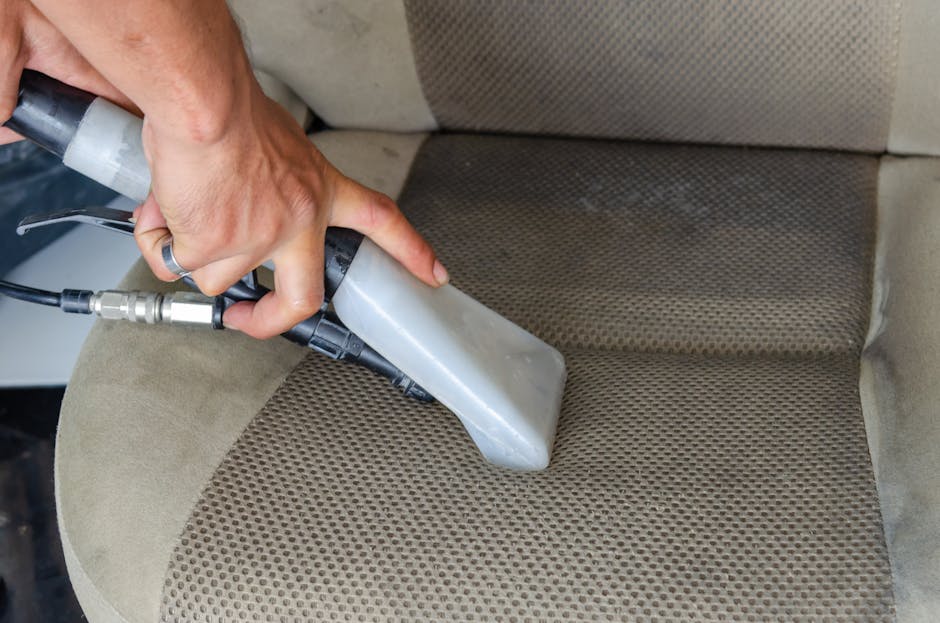
After that, the cleaning method is chosen. For many fabric items, hot water extraction or low-moisture cleaning may be used, depending on suitability. Some delicate items need gentler methods with controlled agitation and limited moisture. The aim is to remove embedded dirt while protecting the structure of the textile and the filling beneath it. If a piece has feather cushions, decorative trims, or mixed materials, the cleaner should adjust their approach accordingly.
Once the cleaning is complete, the furniture is usually inspected again. Any remaining marks can be retreated, and the drying guidance is explained clearly. Drying time varies. On a damp London day, it can feel slower than anyone wants, especially in a room with poor airflow. You will often get better results by opening windows slightly, using heating sensibly, or allowing plenty of time before sitting on the item again.
If you want a broader sense of how a cleaning company manages different job types and standards, the company's upholstery cleaning service page is a useful place to understand the general approach. You can also review their pricing and quotes information to see how estimates are typically handled before work starts.
Key Benefits and Practical Advantages
The obvious benefit is a cleaner sofa or chair, but that's only the beginning. Upholstery cleaning can restore the look of a room in a way that vacuuming alone just cannot. The fabric often appears brighter, the texture feels fresher, and the room has that "we've actually looked after this place" feeling. A bit smug, maybe, but satisfying.
- Better appearance: cleaning lifts surface soil, refreshes colour, and reduces the dull, grey cast that furniture gets over time.
- Improved comfort: fabrics feel softer and less dusty when embedded debris is removed.
- Odour reduction: cleaning can help reduce the stale smell caused by spills, pets, and everyday use.
- Longer furniture life: less dirt in the fibres means less abrasive wear each time the upholstery is used.
- Better hygiene: useful in family homes, rental properties, offices, and shared living spaces.
- More affordable than replacement: a good clean can delay the need for costly new furniture.
There's also a very practical reason people in St Margarets and Twickenham book upholstery cleaning: it helps prepare a home for guests, estate agent photos, tenancy handovers, or simply a change of season. Early spring, for example, is a good time to deal with winter buildup - dust, closed windows, and heavy use all leave their mark.
If you're pairing upholstery work with other cleaning tasks, it can sometimes make sense to coordinate it with deep cleaning or even one-off cleaning. That can be more efficient than calling someone out several times for separate jobs, especially when you're trying to keep costs sensible.
Who This Is For and When It Makes Sense
This service suits more people than you might expect. It is not just for people with visibly dirty sofas. In fact, some of the best time to clean upholstery is before it looks terrible. That sounds obvious, but many households wait until there's a stubborn mark or a strong smell. By then, the job tends to be slower and sometimes more expensive.
Here's who typically benefits most:
- Families with children: snack spills, pen marks, and general daily wear are part of the package.
- Pet owners: fur, odours, and the occasional muddy paw make regular cleaning worthwhile.
- Renters and landlords: upholstery can affect how a property is presented at the end of a tenancy.
- Home workers: office chairs and soft seating can collect dust quickly, especially in warmer rooms.
- Older furniture owners: a quality vintage or well-made sofa often deserves proper care rather than replacement.
- Busy households: if cleaning upholstery yourself keeps slipping down the list, a professional visit can reset things neatly.
It also makes sense before special occasions. A dinner party, a family visit, or a photographed room will show the state of your furniture more than you think. The eye goes straight to soft furnishings. It really does.
For households that want broader domestic support, it may be useful to look at related services such as domestic cleaning or home cleaners, especially if the furniture clean is part of a bigger reset. For landlords and tenants, end of tenancy cleaning may also be relevant when soft furnishings need attention before check-out.
Step-by-Step Guidance
If you want the best value from upholstery cleaning, a little preparation goes a long way. Here is a practical process that helps you get good results without wasting money.
- Check the fabric type. Look for manufacturer labels if they're still available. These often help determine whether the item can handle moisture-based cleaning.
- Identify problem areas. Make a note of stains, odours, worn patches, or areas used heavily by pets and children.
- Vacuum thoroughly first. Loose dust, crumbs, and pet hair should be removed before any wet cleaning begins.
- Ask about the method. Different fabrics need different approaches. The right method matters more than fancy words.
- Request a clear quote. Good pricing should explain what is included and any extra charges for awkward staining or large items.
- Prepare the room. Move small items, fragile objects, and anything that could get in the way.
- Allow proper drying time. Do not rush the process. Sitting on damp upholstery too soon can flatten fibres or bring marks back up.
- Keep it maintained. Regular vacuuming and quick attention to spills help preserve the result.
A useful habit is to test whether the service provider asks questions before giving a price. If they simply quote instantly for everything, with no mention of fabric type or condition, that is not always a good sign. It may be fine for a very straightforward job, but for anything delicate, a proper assessment is worth more than a cheerful guess.
Many people also appreciate a company that explains its working standards. If that matters to you, have a look at pages like health and safety policy and insurance and safety. They help show how a cleaner approaches the job responsibly, which is frankly reassuring.
Expert Tips for Better Results
There are a few small things that can make a surprisingly big difference. None of them are complicated, which is the nice part.
- Act fast on spills. Blot, do not rub. Rubbing pushes liquid deeper and can distort the pile.
- Use upholstery attachments on vacuum cleaners. They're better at lifting dust from seams, buttons, and edges.
- Keep an eye on sun exposure. A sofa near a bright window can fade unevenly over time. Sometimes the issue is not dirt at all.
- Rotate cushions if possible. It evens out wear and helps the item age more gracefully.
- Ask for fabric-specific care. Velvet, suede-like fabrics, and mixed upholstery can need a gentler finish.
- Don't over-wet the furniture. More water does not mean more clean. Sometimes it means more problems.
Another tip: if you have several items needing attention, list them clearly before booking. A sofa, two dining chairs, and an office chair might be more economical as a grouped visit than as separate jobs. That's the sort of thing that can quietly save money. No drama, just better planning.
And here's a human one: if you're unsure whether a stain is old, food-based, or something else entirely, mention that honestly. A good cleaner would rather know than spend time pretending every mark is a simple coffee splash. The mystery stain has a life of its own sometimes.
Common Mistakes to Avoid
Let's face it, upholstery cleaning mistakes are usually made with good intentions. People want to save time or money, and then the fabric pays the price. The good news is that most of the common problems are easy to avoid once you know what to look for.
- Choosing purely on price: the cheapest option may not include proper inspection, safe products, or dry-cleaning-friendly methods.
- Using harsh household cleaners: they can bleach, mark, or leave sticky residue that attracts dirt faster.
- Scrubbing stains hard: that often spreads the issue and roughs up the fabric.
- Ignoring labels or care guidance: if a piece has cleaning instructions, they should be taken seriously.
- Cleaning without testing: a discreet patch test is a simple way to avoid a nasty surprise.
- Booking too late: heavily soiled upholstery takes more work, which can mean a bigger bill.
One more thing people miss: odour and stain are not always the same problem. A piece may look fairly clean but still hold smells from pets, cooking, or damp. If the air around the sofa seems a bit stale, cleaning may need to go beyond visible marks. That is normal, not a sign of poor housekeeping. Homes live, after all.
Tools, Resources and Recommendations
For most readers, the main "resources" are not gadgets but sensible service information and reliable process. You want to know what is included, how long it may take, and what happens if a stain is more stubborn than expected.
Useful things to look for include:
- Clear pricing guidance: service descriptions should explain what drives the cost.
- Good communication: if a provider explains fabrics, drying, and treatment choices in plain English, that's a strong sign.
- Transparent terms: booking conditions, cancellations, and payment details should be easy to understand.
- Responsible practices: sustainability, waste handling, and safe product use matter more than many people realise.
You may also find it helpful to review recycling and sustainability if you like to know how a company handles materials and environmental responsibility. For payment peace of mind, payment and security is another sensible page to check before booking.
If you want to understand the wider service options available to a household or business, you can also compare upholstery care with sofa cleaning, rug cleaning, or even window cleaning when you're planning a broader refresh. It's often easier to tidy up a whole room at once, to be fair.
Law, Compliance, Standards, or Best Practice
For upholstery cleaning, the most relevant guidance is usually about safe working practice rather than heavy regulation. In the UK, a reputable cleaning company should handle products responsibly, work with appropriate care around electrical items and furnishings, and avoid causing damage through poor technique. That includes using suitable dilution, checking the stability of fabrics, and taking sensible precautions with moisture, slip risks, and ventilation.
On the customer side, good practice is equally important. You should be told what method will be used, what the likely drying time is, and whether there are any limitations due to fabric type or existing wear. If a provider is upfront about what they can and cannot safely do, that is generally a positive sign.
It is also reasonable to expect clear terms and fair complaint handling. If you ever need to check how a company deals with concerns, the pages for terms and conditions and complaints procedure should be straightforward and easy to follow. Nothing glamorous there, but very important. Proper businesses make that information visible because trust matters.
Where access and inclusion are relevant, it is good practice for websites to offer accessible information. If that matters to you or someone in your household, there is also an accessibility statement page available. Again, plain and practical, which is how it should be.
Options, Methods, or Comparison Table
Different upholstery jobs call for different methods. The best choice depends on the fabric, the level of soiling, and how quickly you need the item ready to use again. Here's a simple comparison to help you think it through.
| Method | Best for | Pros | Watch-outs |
|---|---|---|---|
| Hot water extraction | Durable fabric upholstery with deep dirt build-up | Strong soil removal, good for general refresh, often effective on ingrained grime | May not suit delicate textiles; drying time matters |
| Low-moisture cleaning | Items needing quicker turnaround or lighter wetting | Faster drying, useful for some sensitive fabrics | May need more careful spot treatment for stubborn marks |
| Dry or specialist cleaning | Very delicate upholstery, certain vintage pieces, or fabrics with strict care limits | Reduced moisture risk, safer for some materials | Not ideal for all stains; method depends heavily on fabric type |
| Spot treatment only | Small, isolated marks | Targeted, quick, sometimes cost-effective | Doesn't refresh the whole item; may leave overall dullness unchanged |
If you're not sure which method suits your furniture, that is completely normal. In fact, most people are not expected to know. The important bit is that the cleaner explains why a method is being chosen and doesn't just default to the same process every time. A one-size-fits-all approach is rarely the best choice with upholstery.
Case Study or Real-World Example
Here's a realistic example. A family in St Margarets had a light-coloured corner sofa that had seen everything: school snacks, weekend tea, a muddy paw or two, and years of daily use. It still had good structure, but the fabric had gone flat and slightly grey in the usual high-contact areas. They were close to replacing it, mainly because it made the whole living room feel older than it was.
Instead of buying new furniture, they arranged a professional clean. The cleaner inspected the fabric first, treated the high-traffic zones, and used a method suitable for the upholstery type. The biggest improvement was not just the visible stains. It was the overall freshness. The room felt brighter, and the sofa no longer had that slightly stale background smell that builds up when furniture is used hard but rarely deep cleaned.
What made the difference? A few things. They flagged the problem spots in advance, moved the room around a little before the appointment, and allowed the sofa to dry fully before sitting on it again. Simple stuff, but it mattered. The end result was not "brand new," because that would be unrealistic, but it was comfortably good enough to extend the sofa's life for quite a while. Which, frankly, is usually the whole point.
For anyone comparing providers, it helps to learn a bit about the business behind the service. The company's about us page can help with that trust-building side, especially if you prefer dealing with a local cleaning company that presents its standards clearly.
Practical Checklist
Use this quick checklist before you book upholstery cleaning. It saves time and prevents the awkward "oh, I forgot to mention that" moment.
- Check the fabric type and any care labels.
- Note visible stains, smells, and worn areas.
- Vacuum the furniture first, including seams and cushions.
- Ask what cleaning method is being used.
- Confirm whether the quote includes pre-treatment.
- Ask about drying time and aftercare.
- Move fragile items out of the room.
- Confirm if parking or access needs to be discussed in advance.
- Ask whether the company is insured and has a clear safety policy.
- Keep the room ventilated after cleaning.
- Avoid heavy use until the upholstery is fully dry.
A small note that saves headaches: if your furniture is part of a larger cleaning plan, ask whether the job can be grouped with carpet cleaning or cleaning company services. Grouping tasks can sometimes make the visit more efficient and more affordable overall.
Conclusion
Affordable upholstery cleaning St Margarets Twickenham is really about making smart choices. Choose the right method, ask clear questions, and focus on value rather than chasing the lowest number on the page. That's how you protect your furniture, keep your rooms feeling fresh, and avoid paying twice for avoidable mistakes.
Whether you're refreshing a family sofa, getting dining chairs back into shape, or simply trying to make a room feel less tired, a careful upholstery clean can be a practical and cost-conscious fix. And honestly, there's a quiet satisfaction in seeing fabric come back to life. Small win, but a real one.
If you're ready to compare your options, review the service details, check what's included, and make a sensible plan for your furniture. A little preparation goes a long way, and a good clean can make home feel calmer straight away.
Get a free quote today and see how much you can save.
Frequently Asked Questions
How often should upholstery be professionally cleaned?
For most homes, every 12 to 24 months is a sensible general guide, but busy households, pet owners, and light-coloured fabrics may need it more often. If a sofa starts looking dull or holding smells, that is usually a sign to move sooner.
Is affordable upholstery cleaning still safe for delicate fabrics?
Yes, if the cleaner uses the right method for the material. Delicate upholstery often needs low-moisture or specialist treatment rather than a heavy wet clean. The key is fabric assessment first, not a rushed one-size-fits-all approach.
What affects the price of upholstery cleaning?
Price is usually influenced by the size of the item, the fabric type, how dirty it is, whether stains need pre-treatment, and how much time the job is likely to take. Access and drying requirements can also play a part.
Can upholstery cleaning remove old stains?
Sometimes, yes, but not always completely. Old stains may have set deep into the fibres or changed the fabric colour. A professional cleaner can often improve them significantly, but honest expectations are better than promises that sound too good.
Will upholstery cleaning remove pet smells?
It can reduce many pet odours, especially when they come from surface soil or general use. If urine or moisture has penetrated deeply, more targeted treatment may be needed. It depends on how far the issue has spread.
How long does upholstery take to dry?
Drying time varies by fabric, cleaning method, room temperature, and airflow. Some items dry relatively quickly, while thicker upholstery or damp weather can slow things down. Good ventilation helps more than people expect.
Can I clean upholstery myself instead of booking a service?
You can do light maintenance yourself, such as vacuuming and gentle spot treatment, but deeper cleaning is riskier without the right products and experience. A mistake with the wrong cleaner can cost more than the booking would have.
Is it worth cleaning an older sofa?
If the frame is sound and the fabric is still in decent condition, yes, it can absolutely be worth it. Cleaning is often cheaper than replacement and can give older furniture a much better look and feel.
What should I do before the cleaner arrives?
Vacuum the upholstery if you can, clear the room of small items, and point out problem stains or delicate areas. It also helps to mention access issues, parking, or any unusual furniture features in advance.
Does upholstery cleaning leave a strong chemical smell?
It should not be overpowering. Some products have a mild scent, but a responsible clean should not leave the room smelling harsh or unpleasant. If strong odour lingers, ask questions before the job goes ahead.
Can upholstery cleaning be combined with other household cleaning?
Yes, and that is often sensible. Many people combine it with carpet or broader domestic cleaning so the whole room feels refreshed in one visit. It can be more efficient and sometimes better value too.
How do I know if a cleaning company is trustworthy?
Look for clear pricing, straightforward explanations, relevant policies, and a calm approach to questions about insurance, safety, and complaints handling. Trustworthy companies do not need to hide the practical details.